The Herbarium · everyday botanicals, examined
The spice cabinet, pressed flat and properly labeled.
Cinnamon, turmeric, ginger, peppermint, chamomile: the plants most kitchens already hold. We file each one the way a herbarium files a specimen, with its Latin name, the part of the plant in the jar, what the brand says about where it came from, and what the research does and does not support. Every product is an established brand sold on Amazon, and every price carries the date we saw it.
Cabinet key
- IBarkcortex2 sheets
- IIRoot & Rhizomeradix · rhizoma3 sheets
- IIILeaffolium2 sheets
- IVFlowerflos2 sheets
- VSeed & Fruitfructus2 sheets
Filed by the part of the plant you actually use. Det. VitaNews Daily Editorial Team, Sep 2026.
The cabinet
Eleven specimens, five drawers
Sorted by plant part · established brands · sold on Amazon
A herbarium sorts plants so that like sits with like. We sort the spice rack the same way: by the part of the plant that ends up in the jar or the tea bag. Each sheet carries a collection number, the botanical name, and a label block you can check against the jar in your own cupboard.
Stripped, dried and rolled or ground. Two cinnamons that look alike in the jar and are filed separately for a reason.
-
B-001
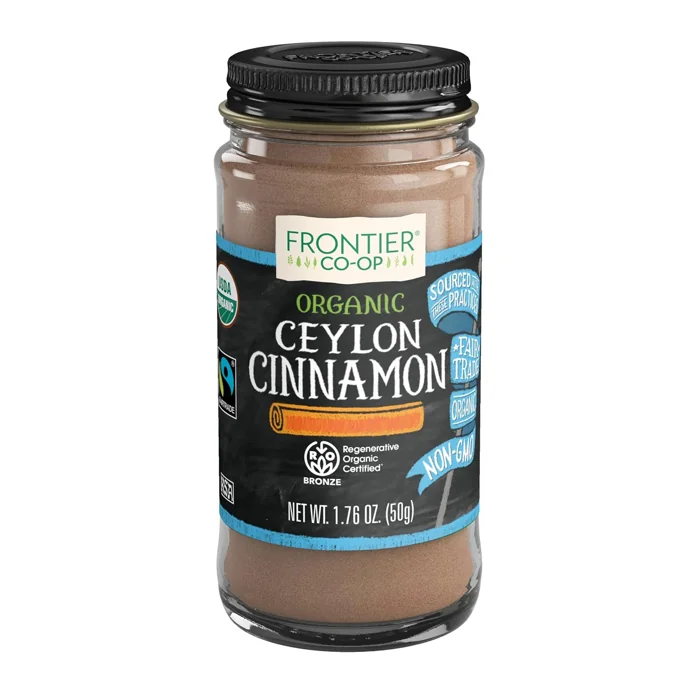
Ceylon cinnamon
Cinnamomum verum
Inner bark · groundFrontier Co-opThe cinnamon often called "true" cinnamon: what the jar says, how it differs from the everyday supermarket kind, and what that difference means in practice.
-
B-002
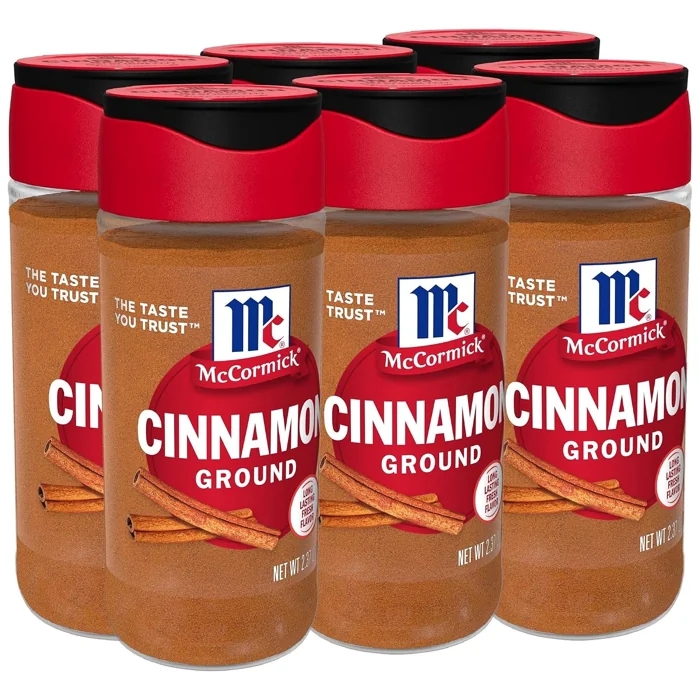
Cassia-type cinnamon
Cinnamomum sp., cassia type
Inner bark Bark · groundmiddot; groundMcCormickThe familiar red-cap shaker, read from the label: which cinnamon it is, what the brand says about it, and why European food-safety bodies talk about cassia and coumarin.
Underground parts, most of them rhizomes rather than true roots. Turmeric and ginger belong to the same plant family.
-
R-001
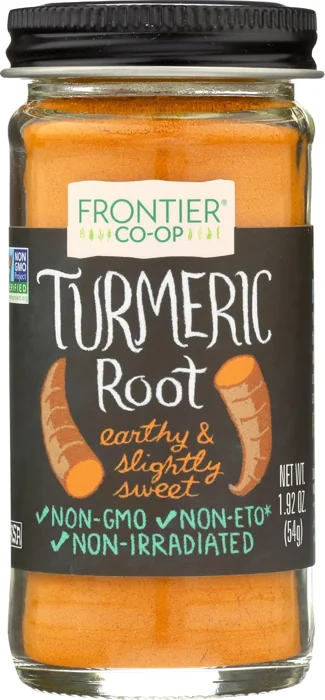
Turmeric
Curcuma longa
Rhizome · groundFrontier Co-opThe bright yellow kitchen spice, as distinct from curcumin capsules: what is in the jar, how it is used in cooking, and where the research questions actually sit.
-
R-002
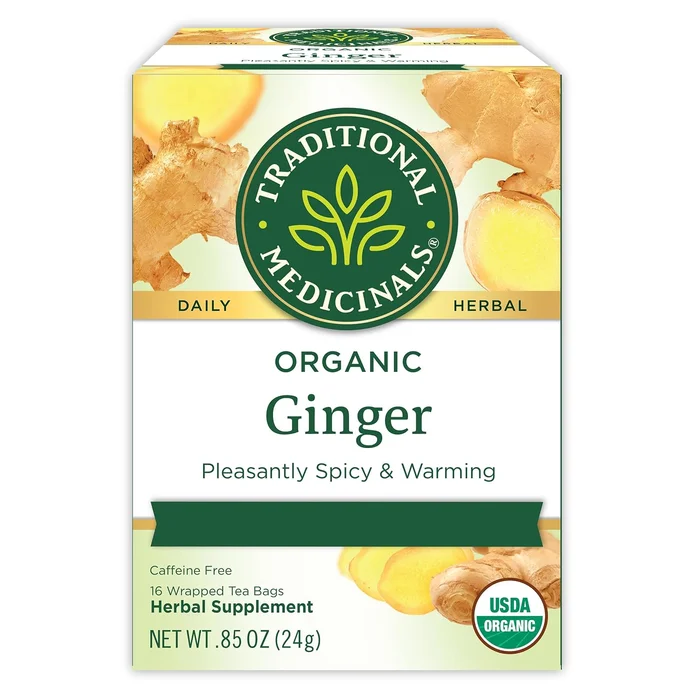
Ginger
Zingiber officinale
Rhizome · tea bagsTraditional MedicinalsA single-herb ginger tea sold with a supplement-style label: how to read that panel, what is in each bag, and how it compares with ginger from the spice rack.
-
R-003
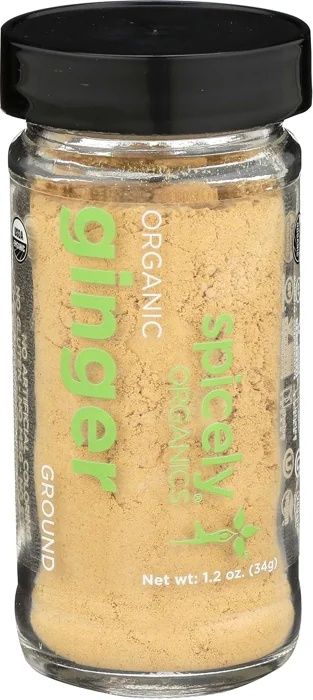
Ginger
Zingiber officinale
Rhizome · groundSpicelyDried, ground ginger for baking and cooking: what the jar certifies, how dried ginger differs from fresh in the kitchen, and how to keep it tasting of something.
The most fragile drawer. Leaves carry their aroma in oils that fade fastest once dried and crumbled.
-
L-001
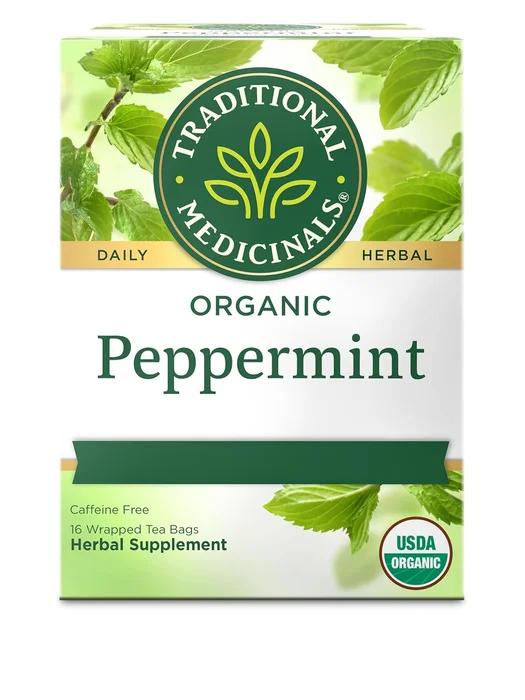
Peppermint
Mentha × piperita
Leaf · tea bagsTraditional MedicinalsA one-ingredient peppermint leaf tea: the label read literally, and why the tea in the cup is not the same thing as the peppermint oil capsules that NCCIH describes.
-
L-002
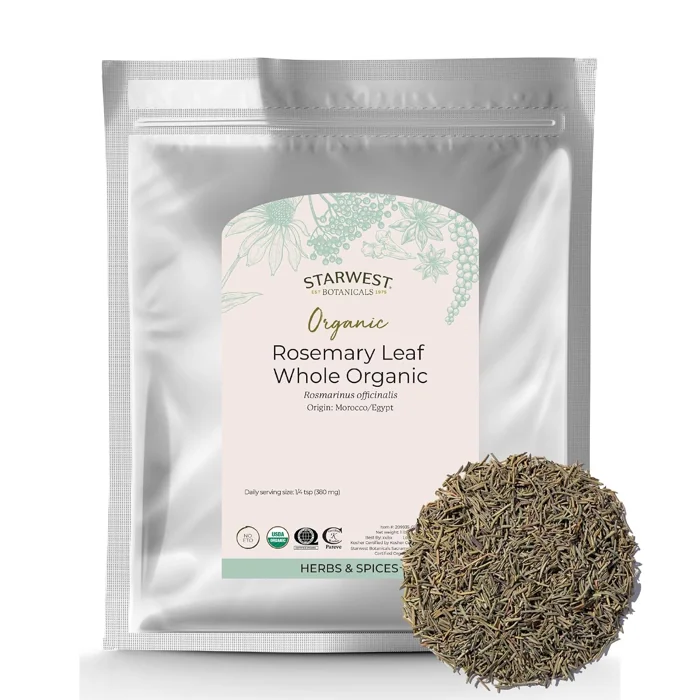
Rosemary
Salvia rosmarinus
Leaf · whole, driedStarwest BotanicalsWhole dried rosemary needles in a bulk bag: the renamed botanical genus, what "whole" buys you in flavor over ground, and how to store a large bag sensibly.
Flower heads and the fleshy calyces around them, dried for the teapot. Mostly brewed, rarely cooked.
-
F-001
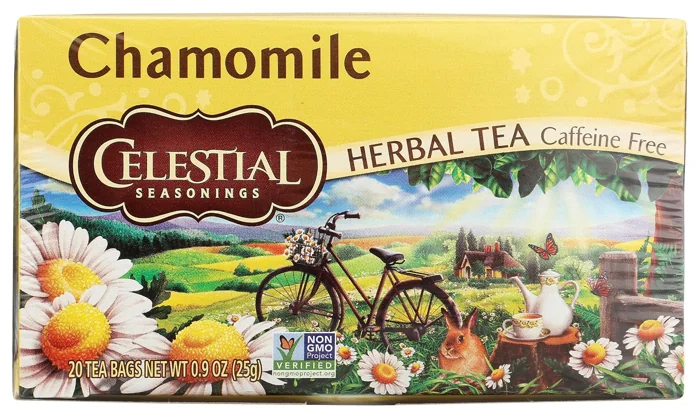
Chamomile
Species not named by brand
Flower · tea bagsCelestial SeasoningsAn evening-cup staple read from the box: what is in the bag, which chamomile the research means, and the plant-family note that matters for some people, according to NCCIH.
-
F-002
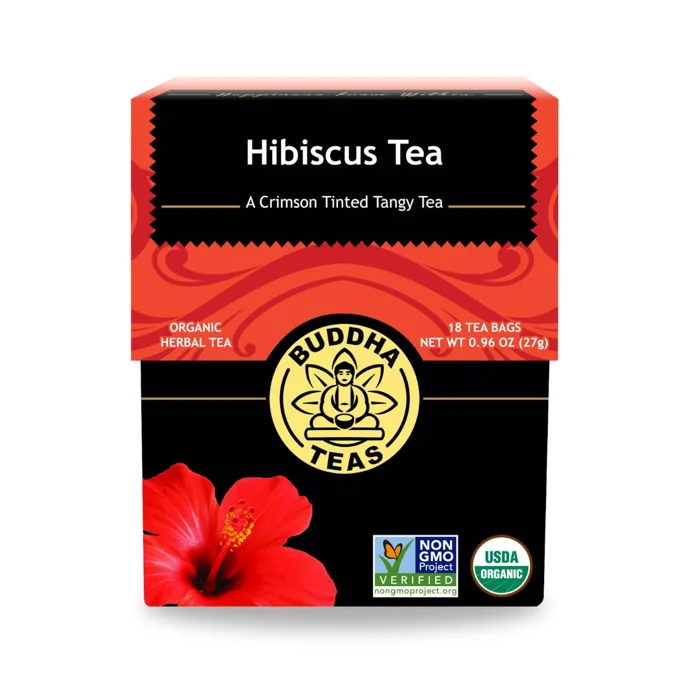
Hibiscus
Hibiscus sabdariffa
Calyx · tea bagsBuddha TeasA tart, crimson single-herb tea: which part of the plant is really in the bag, what the box certifies, and the questions worth taking to a pharmacist before it becomes a daily habit.
Botanically, both of these "seeds" are dried fruits. Whole, they keep far longer than anything in the leaf drawer.
-
S-001
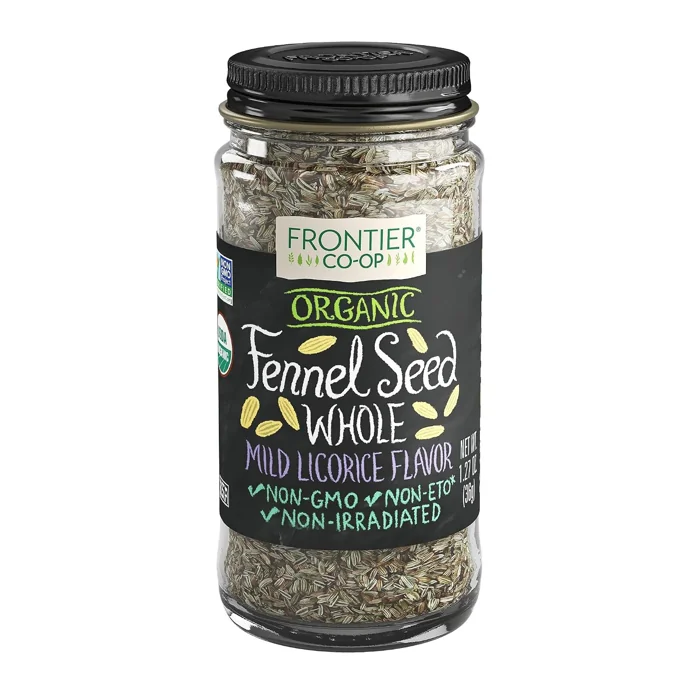
Fennel
Foeniculum vulgare
Fruit · wholeFrontier Co-opWhole fennel "seed" with its sweet, anise-like aroma: what Frontier says about origin, how cooks use it, and why whole seeds outlast ground ones on the shelf.
-
S-002
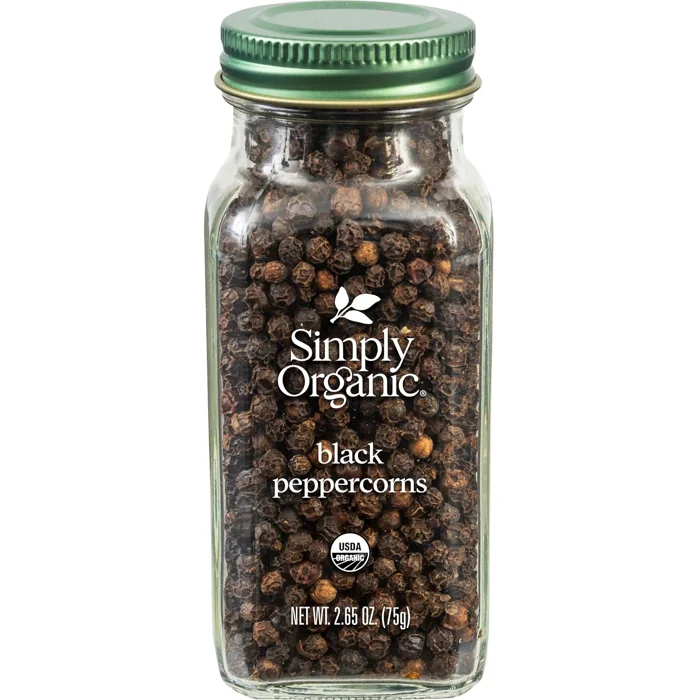
Black pepper
Piper nigrum
Fruit · wholeSimply OrganicWhole peppercorns for the grinder: what the label shows, how black pepper is made from a green berry, and why it keeps turning up next to turmeric in research.
Notes
What the research says, without the hype
Sourced to NCCIH, NIH, FDA, EFSA and PubMed

Ceylon and Cassia Cinnamon: What the Coumarin Question Is About
Two barks sold under one name, a naturally occurring flavor compound, and what European food-safety bodies have said about everyday amounts.

Turmeric and Curcumin: The Absorption Basics
Why the spice and the capsule are not the same thing, what "absorption" means in the studies, and where black pepper comes into it.

How to Read an Herbal Tea Label
Food or supplement panel, organic seals, the FDA's structure/function rules, and the small print that tells you what a box can and cannot claim.

How to Keep Spices and Dried Herbs Fresh
Light, heat, air and moisture: a simple storage routine, whole versus ground, and how to tell when a jar has given up its flavor.

Everyday Herbs and Your Medicines: What NCCIH Says
Kitchen amounts versus concentrated products, the herbs NCCIH flags for interactions, and the questions worth taking to a pharmacist.
How we work
How a specimen is filed
Same label block on every sheet
Named and placed
Every sheet starts with the botanical name and the part of the plant in the product, because "cinnamon" or "chamomile" on a jar can mean more than one plant.
Origin as the brand states it
We record where a brand says its herb comes from, and say so when it does not. We do not buy product or test lots, and the label block says that plainly.
Safety from NCCIH and NIH
Cautions and interaction notes come from the National Center for Complementary and Integrative Health and other NIH sources, and are attributed to them in the text.
Amazon only, prices dated
Every product is an established brand on Amazon, linked with an affiliate tag. We earn a commission if you buy, at no extra cost to you. Every price carries its date.
Newsletter
The Accession List
One short email when a new specimen sheet or research note is filed. No daily blasts and no hype.
By subscribing you agree to receive The Accession List by email. We store your email address, the time you signed up and your IP address; see our Privacy Policy. Unsubscribe any time.